Environment Ministry Accomplishes First Phase of Coral Reef Protection and Restoration Program
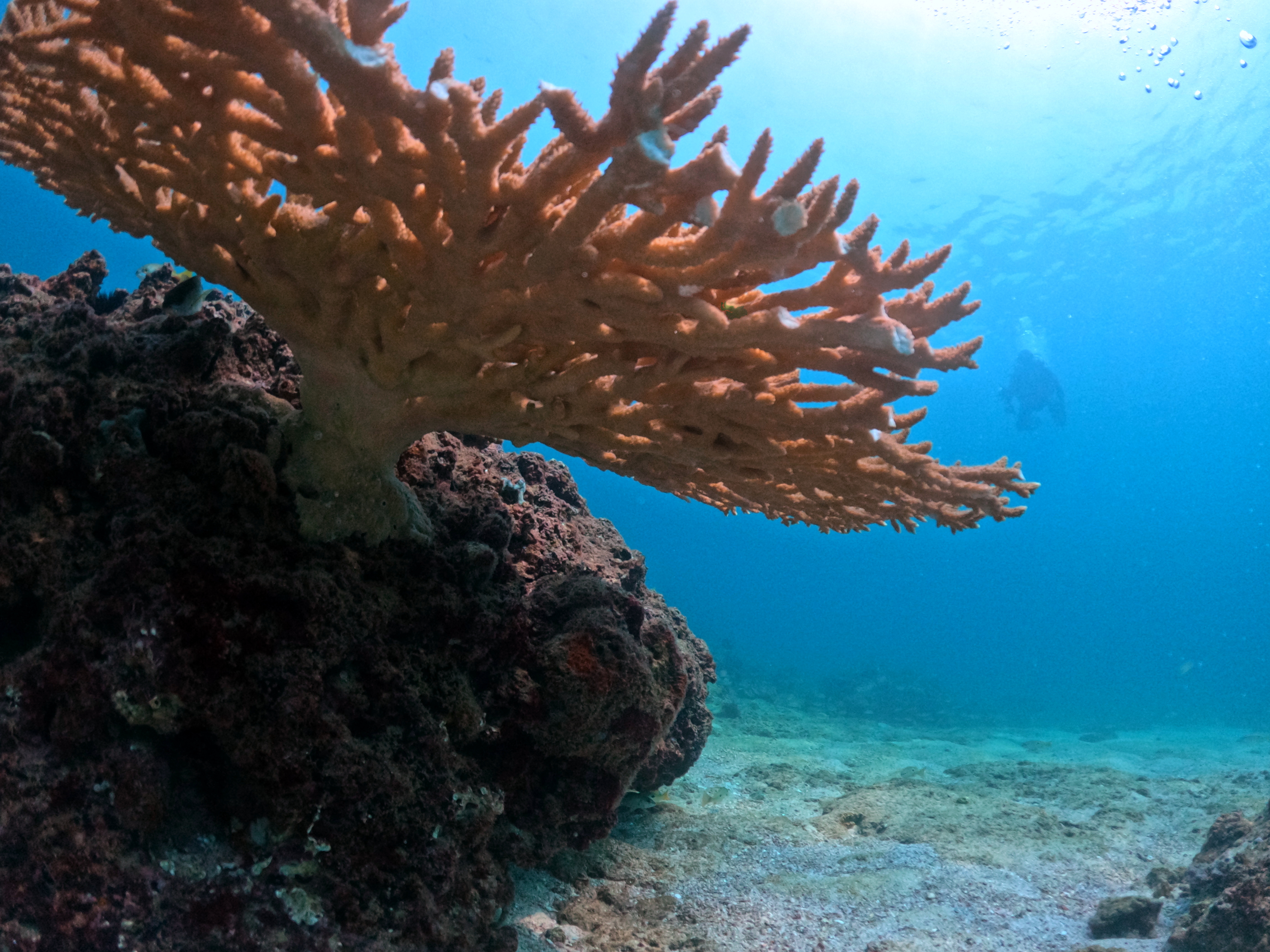
The Ministry of Environment and Climate Change recently completed the first phase of the Coral Reef Protection and Restoration Program in October. This involved surveying and studying 17 sites in Qatar’s territorial waters, revealing the presence of two types of soft coral for the first time in Qatar, along with 40 species of hard coral and five other types of soft coral.
The Ministry emphasized that the Coral Reef Protection and Restoration Program is part of the country’s efforts to implement the Third National Development Strategy for 2024-2030 and the National Biodiversity Plan, contributing to Qatar’s National Vision 2030. The program also reflects Qatar’s commitment to the United Nations Convention on Biological Diversity.
The scientific research team from the Wildlife Development Department completed the survey in record time, starting in January 2024 and concluding this October, despite the extensive research area covering most of Qatar’s territorial waters. The program aims to develop and increase coral populations in affected areas by identifying coral-rich regions that can supply coral to impoverished areas.
This survey is designed to assess the condition of coral reefs and associated species, aiming to enhance and restore coral numbers in damaged areas. It seeks to identify donor sites (source areas) and suitable receiving sites (recipient areas) for coral transplantation.
Coral reefs are vital ecosystems that play a significant role in maintaining biodiversity, providing habitat for a diverse range of marine species, including fish, invertebrates, and plants, making them home to about a quarter of marine fish species. They also serve as natural barriers protecting coastlines from wave impacts and erosion, contributing to coastal community protection against flooding. Furthermore, they are an important source of economic resources, such as fishing and marine tourism.
The survey covered 17 coral reef sites in Qatar’s territorial waters, along with the biodiversity of the coral ecosystem and associated marine life. The team recorded 40 species of hard coral, five species of soft coral, and 45 fish species, in addition to various invertebrates.
During the survey, the team discovered coral and invertebrate species not previously recorded in Qatar. They also identified potential snorkeling sites and areas suitable for natural stock protection.
Five different types of soft coral were documented, including two in deep waters and three in shallow waters. Two types of hard coral dominate many sites, known for their high tolerance to harsh environmental conditions.
The team noted two new species of soft coral previously unrecorded in the country, and efforts are underway to document them in international publications.
The survey revealed fish populations and significant diversity in invertebrates associated with the coral reefs. Species such as barracuda, eagle rays, benthic stingrays, and hawksbill turtles were recorded, along with common species like butterflyfish and snapper.
The team observed abandoned fishing traps containing many trapped fish and noted natural impacts such as algae and sea urchins feeding on the coral, which were present in high density, negatively affecting coral growth. Additionally, rising temperatures have adversely impacted the growth and survival of some coral species, as they struggle to withstand such conditions.
A healthy coral reef ecosystem was found in the eastern marine islands, a key donor site for coral transplantation. In contrast, southeastern marine sites may serve as potential recipient areas for improved coral coverage.
This survey is the first step leading to the second phase.
The first phase (survey) of the program includes:
– Collecting baseline data on biodiversity within the coral reef system.
– Assessing the health status of the coral reef ecosystem in Qatar.
– Selecting donor sites for coral and appropriate recipient sites.
The second phase (implementation) of the program will involve:
– The actual transplantation of corals from donor sites to recipient areas.
– Monitoring and maintaining the health of the coral reefs.
The program aims to increase coral coverage three to five times in areas with low coverage. The second phase will identify donor and recipient areas as protected zones to safeguard corals from damage caused by fishing gear, moorings, fish traps, nets, and spearfishing, allowing coral reefs and associated marine life to thrive without disturbance.
The program will include public education, workshops, and training for volunteer divers to assist with regular monitoring of coral reefs and the ecosystem’s health. It represents a long-term plan to boost fish stocks in Qatar and restore a healthy coral reef ecosystem.
This initiative will benefit the local economy, environment, social culture, and recreation, enabling recreational activities in selected sites and contributing to food security in Qatar.
In the second phase, the Ministry will collaborate with research centers and relevant government entities to implement the program.