Environment Ministry completes fencing, rehabilitation of 38 meadows
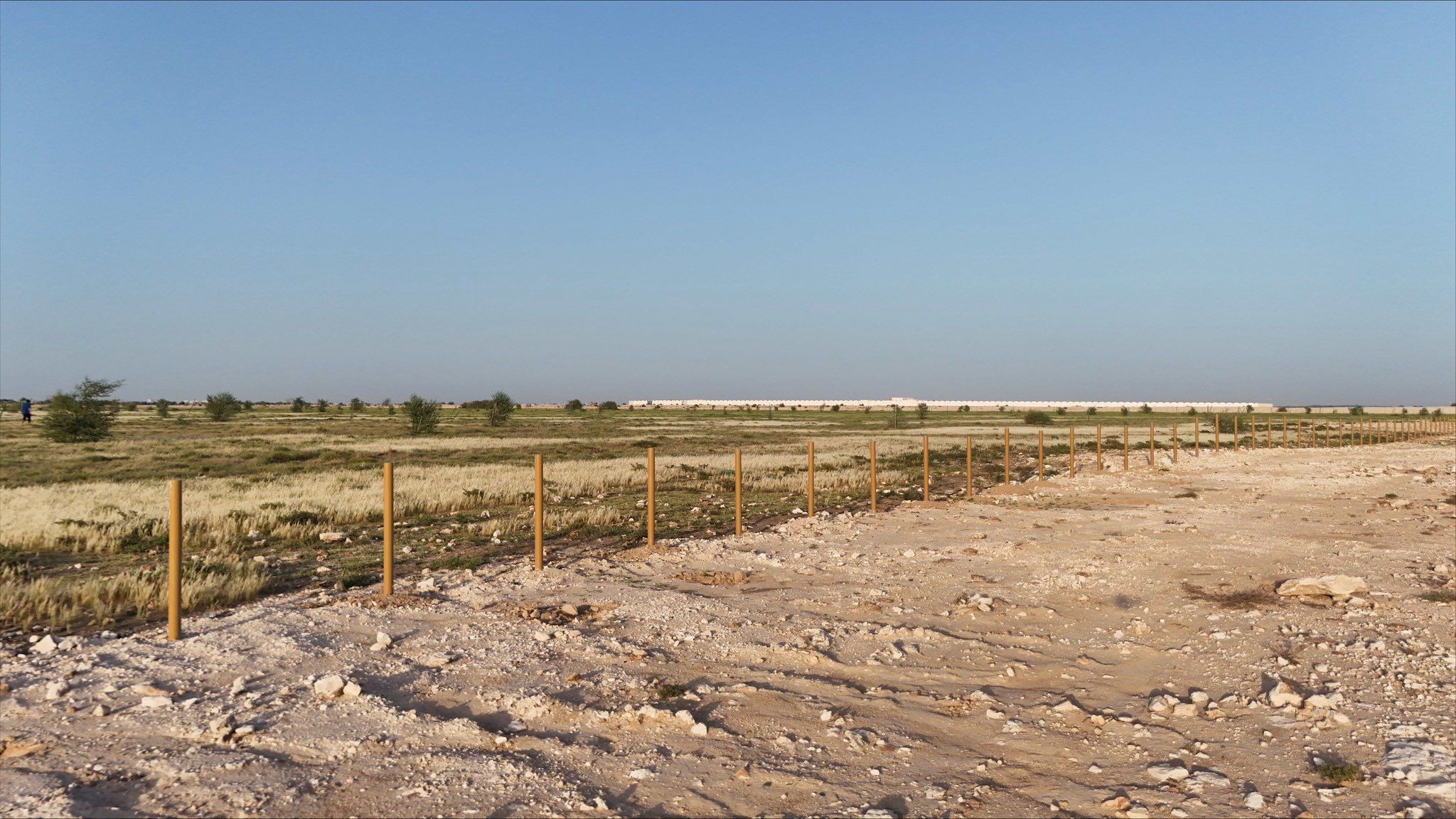
The Ministry of Environment and Climate Change (MECC) has successfully completed the fencing and rehabilitation of 38 meadows across various regions of the country. This effort is part of the broader Qatari Desert Rehabilitation Project, which is dedicated to protecting the nation’s vegetation cover and combating desertification.
Director of the Wildlife Development Department at MECC, Mohammed Ahmed Al Khanji stated that the project’s long-term goal is to rehabilitate 150 meadows over the next five years. This initiative follows an extensive data collection process, identifying and prioritizing meadows that have endangered vegetation and contain rare plant species. Environmental and social factors have been carefully considered in the selection process to ensure a balanced approach.
Al Khanji emphasized that the project, overseen by the Wildlife Development Department, focuses on preserving areas of both environmental and social significance, particularly those that have shown substantial growth in wild vegetation. Several meadows with rare wild species have already been successfully rehabilitated, underscoring the project’s critical role in protecting biodiversity and mitigating desertification. These efforts are a testament to the ministry’s commitment to safeguarding Qatar’s natural heritage.
Over the past years, the MECC’s initiatives have been instrumental in protecting wild areas from encroachment, especially during the rainy and spring seasons when public visits to the meadows peak. Al Khanji added that the Ministry is determined to ensure the sustainability of these natural areas, preventing damage that could have long-term negative impacts on the local environment.
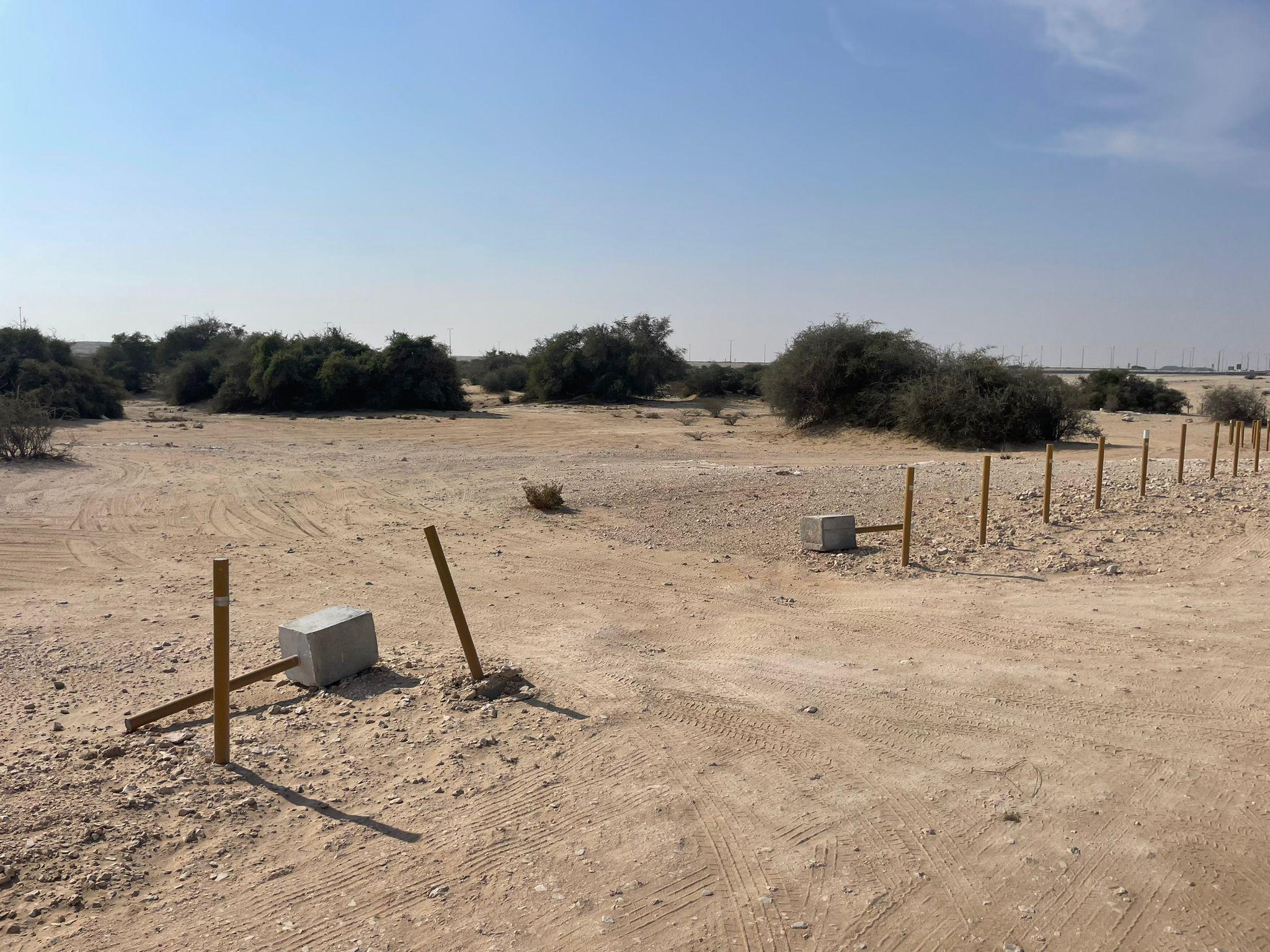
He noted that the Wildlife Development Department at the Ministry of Environment and Climate Change is committed to using short pipes for fencing the pastures to prevent vehicle access while allowing public entry. Additionally, informative signs have been placed to raise awareness about the importance of preserving the pastures and native plants and to warn against damaging them.
The Director of the Wildlife Development Department praised the active participation of community members in selecting pastures of social and environmental importance for inclusion in the development plan. He urged all visitors to these natural areas to help preserve the pastures, especially during rainfall, to ensure the continuity of wildlife and protect the environment, as pastures serve as natural refuges for rare species of native plants.