MECC organizes a workshop on the “Minamata” Convention on Mercury
The Ministry of Environment and Climate Change organized a foundational workshop for the initial assessment project of the “Minamata” Convention on Mercury in Qatar. This initiative aims to protect human health and the environment from mercury emissions and its compounds resulting from human activities.
The workshop aimed to enhance national capacities for implementing the provisions of the convention, establish specialized working groups to support project development, and promote the exchange of information and experiences among member states.
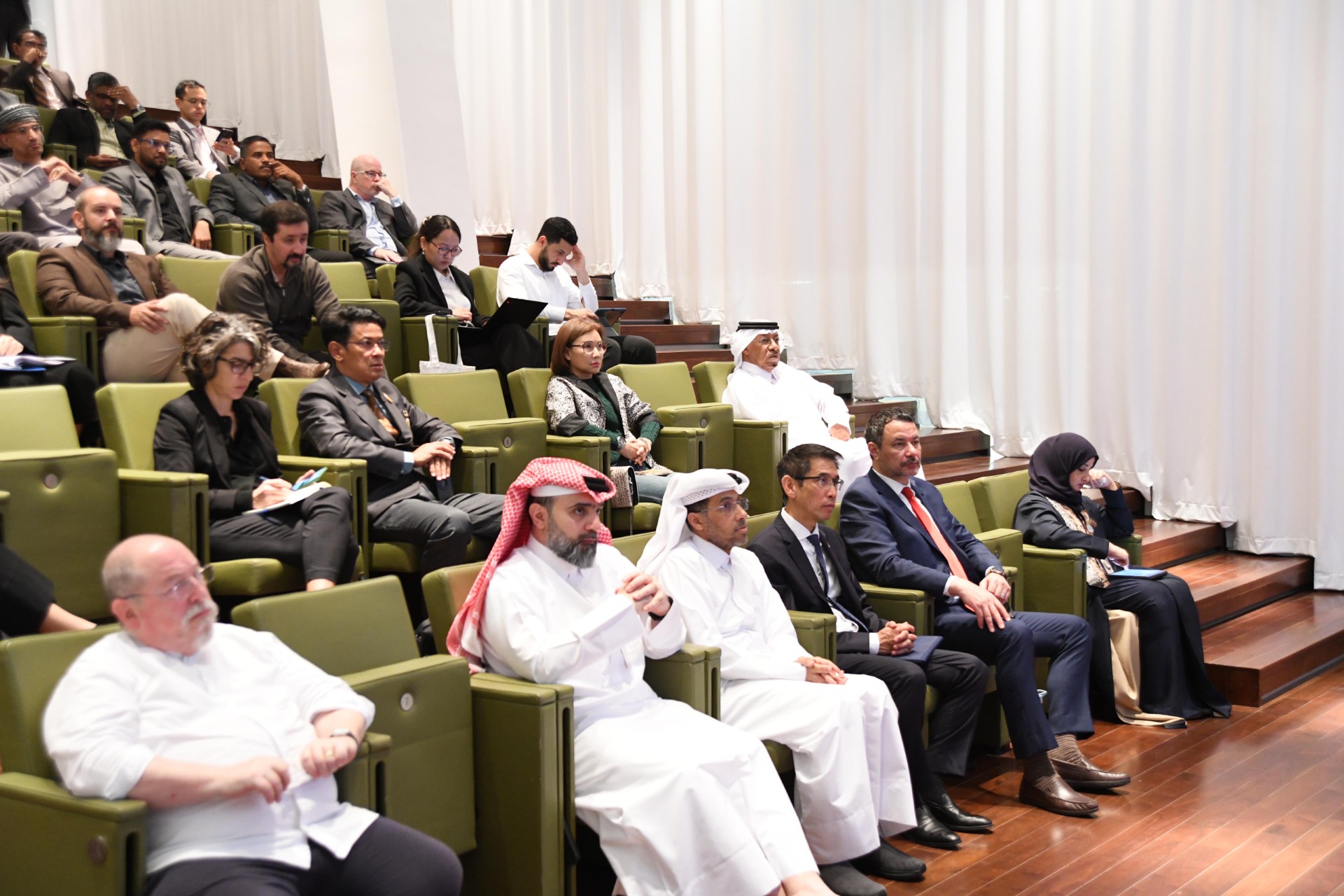
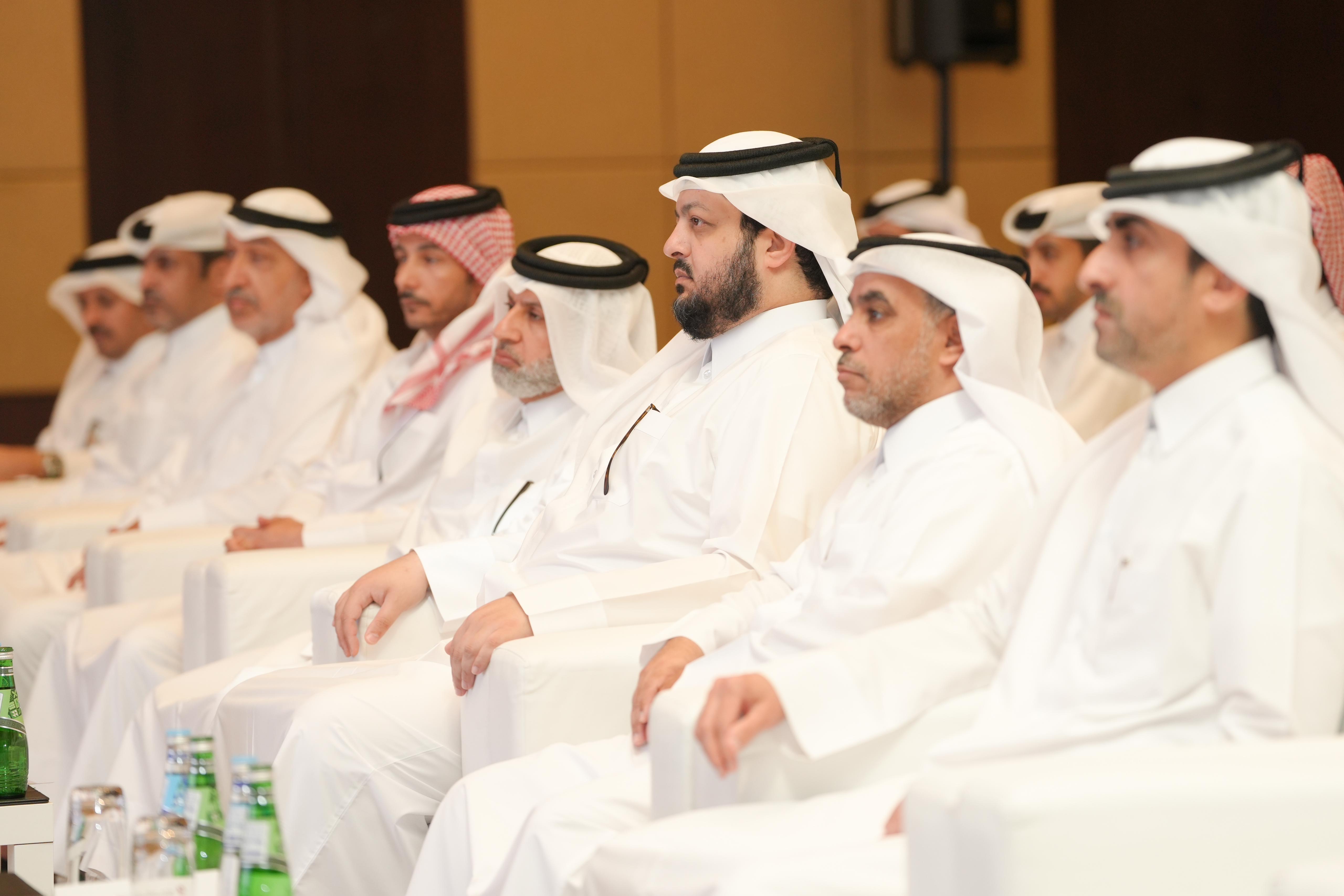
The workshop, which takes place over two days on September 24 and 25, was attended by Mr. Abdulaziz bin Ahmed Al Mahmoud, the Undersecretary, Mr. Abdulhadi Al Marri, the Assistant Undersecretary for Environmental Affairs, Mr. Iñaki Rodríguez from the implementing agency of the Global Environment Facility, and Mr. Ingarasan, a representative from the United Nations Environment Programme. The workshop focused on the latest updates on the convention and recent developments related to its implementation, as well as reviewing the key guidelines for the initial assessment project.
In his speech at the workshop, Mr. Abdulhadi Nasser Al Marri, Assistant Undersecretary for Environmental Affairs at the Ministry of Environment and Climate Change, explained that the workshop is part of national efforts to raise awareness about the effects of mercury on health and the environment, in line with the objectives of the “Minamata” Convention. He noted that the workshop serves as a starting point for implementing an assessment project for the convention, with the management of chemicals and hazardous waste executing this project in collaboration with the United Nations Environment Programme, the Secretariat of the “Minamata” Convention, and the Global Environment Facility.
The Assistant Undersecretary for Environmental Affairs emphasized that the implementation of the initial mercury assessment project in Qatar aims to contribute to international efforts for effective and efficient mercury management, in line with the sound management of chemicals and hazardous waste. He noted that the project seeks to enhance the national capacities necessary for implementing the provisions of the convention, assess the institutional and technical needs for its execution, and facilitate the exchange of expertise and best practices in this context. Additionally, the project includes evaluating the current situation from various perspectives, including relevant legislative and administrative aspects, and proposing standards and specifications based on the project results, aligned with international trends and the national context of Qatar.
The Assistant Undersecretary for Environmental Affairs added that this workshop represents an important opportunity to exchange insights and experiences and to gain a deeper understanding of the initial Minamata assessment project. He emphasized that it aligns with Qatar National Vision 2030, which identifies environmental development as one of its four fundamental pillars. He expressed his hope that participants would achieve constructive outcomes that help establish a framework program to identify national requirements and needs, highlighting Qatar’s commitment to supporting international efforts to implement the Minamata Convention on Mercury.
The workshop program included an introductory presentation on the “Minamata” Convention, providing an overview of the latest updates and recent developments related to its implementation, as well as a review of the key guidelines for the initial assessment project.
The workshop also featured extensive discussions on ways to enhance cooperation between government entities and international organizations involved in mercury management and its compounds. This included conducting an initial assessment and a comprehensive inventory of mercury, its compounds, and waste, tracing their lifecycle to identify the national requirements necessary for implementing the convention. The discussions also involved evaluating relevant legislation and administrative procedures and working to establish standards and specifications for mercury management and its products in line with the international approach to the sound management of chemicals and hazardous waste.
During the workshop, participants reviewed the experiences of Western Asian countries in this field and discussed alternative solutions to mercury use in various industries, aiming to reduce the risks it poses to human health and the environment. This effort was carried out in collaboration with the United Nations Environment Programme (UNEP), the Secretariat of the Minamata Convention, and with support from the Global Environment Facility.
It is noteworthy that Qatar joined the “Minamata” Convention in 2020, as part of its commitment to protecting human health and the environment through the implementation of international environmental laws and agreements.