Qatar’s Pavilion in COP29 Organizes Panel Discussion on Adapting to Climate Change
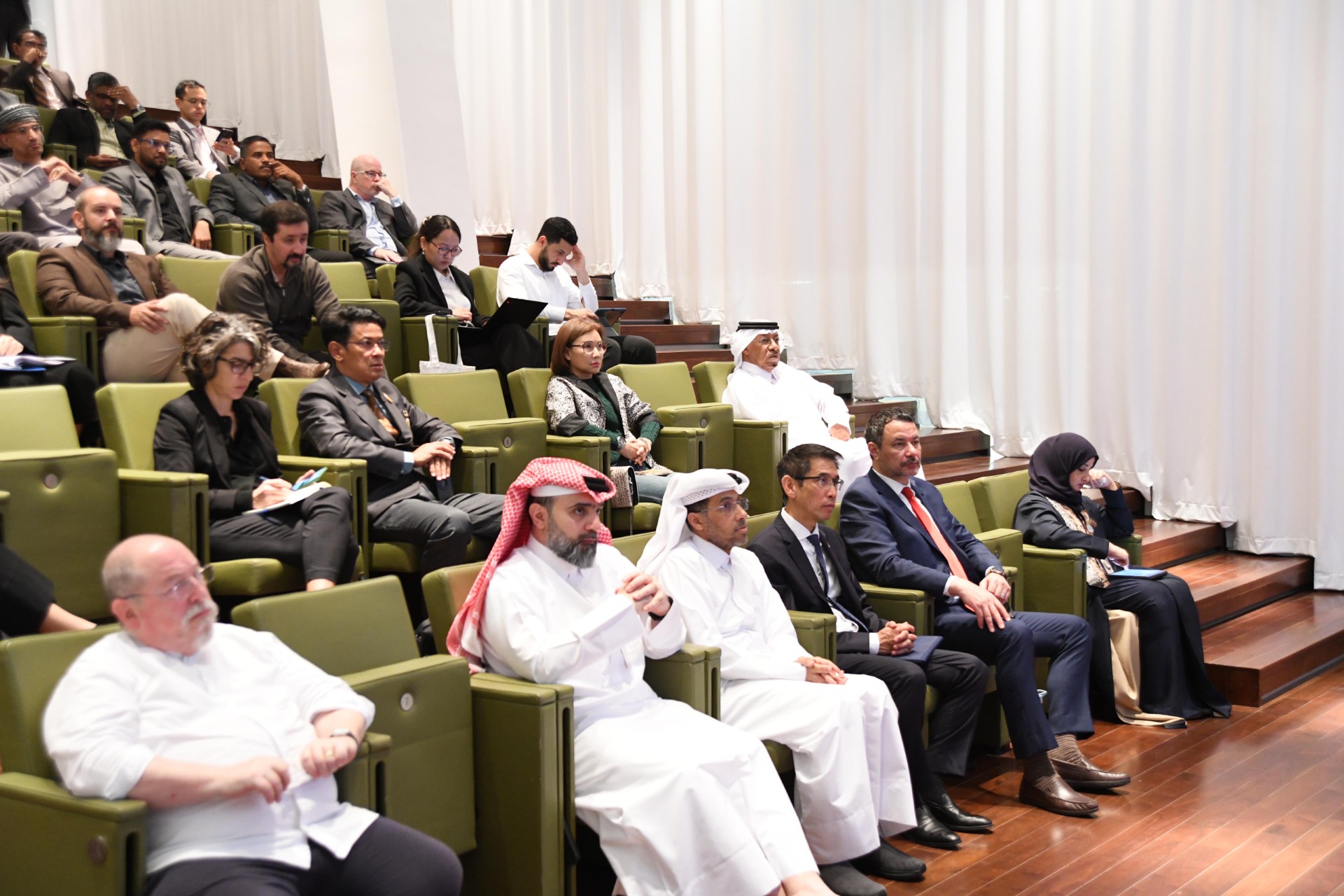
The Ministry of Environment and Climate Change hosted a seminar on the sidelines of the 29th Conference of the Parties to the United Nations Framework Convention on Climate Change (COP29), currently taking place in Baku, Azerbaijan, from November 11 to 22.
The seminar discussed Qatar’s measures for climate change adaptation and enhancing resilience across key sectors. This multi-stakeholder event brought together various organizations to present their sectoral strategies, contributing to the comprehensive strengthening of Qatar’s adaptation and resilience capabilities.
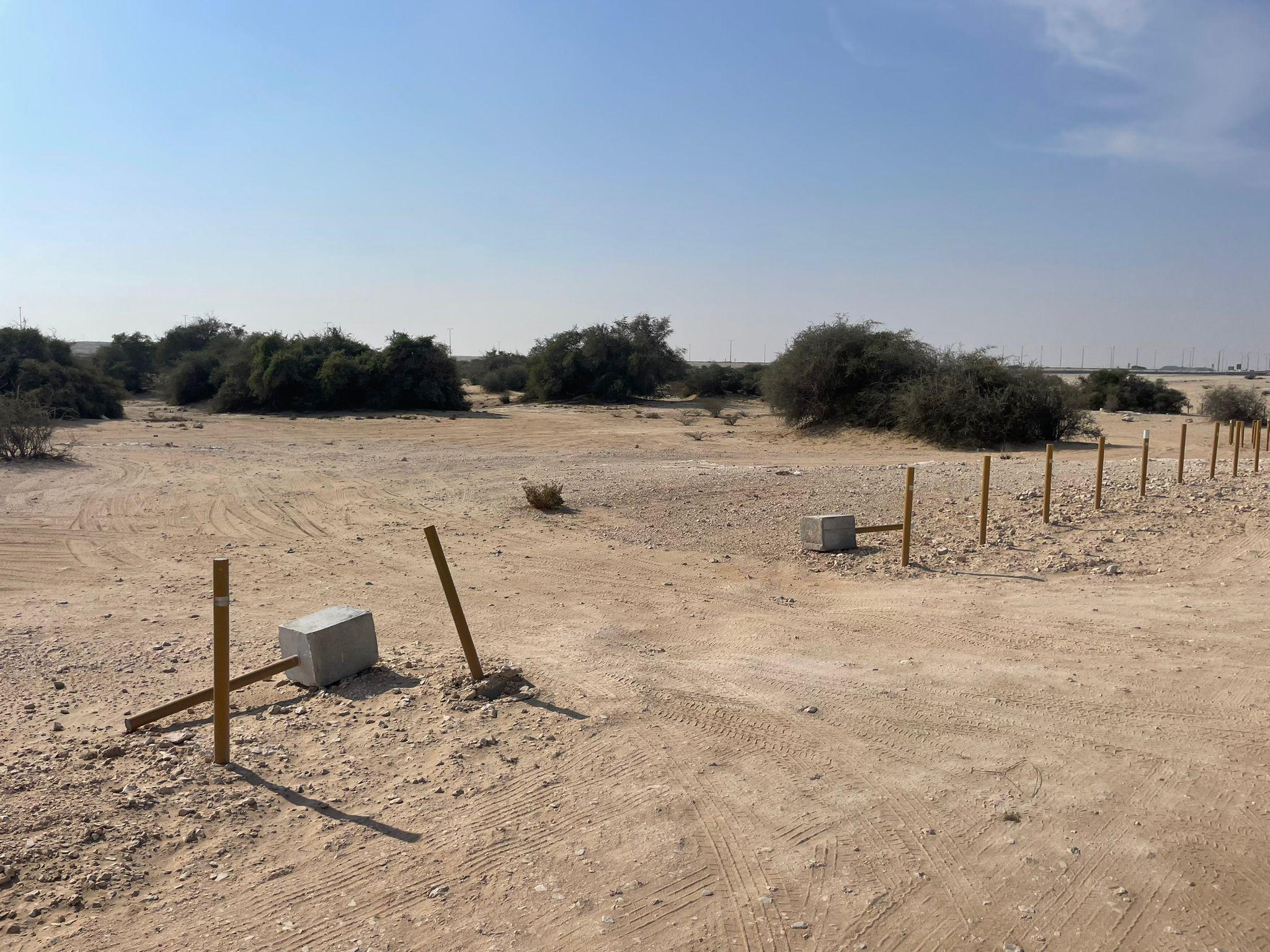
During the seminar, speakers addressed several critical areas, including urban resilience enhancement, water security in arid regions, protection of coastal ecosystems, nature-based solutions, climate-smart agriculture, and strategies to shield Qatars hydrocarbon sector from climate impacts.
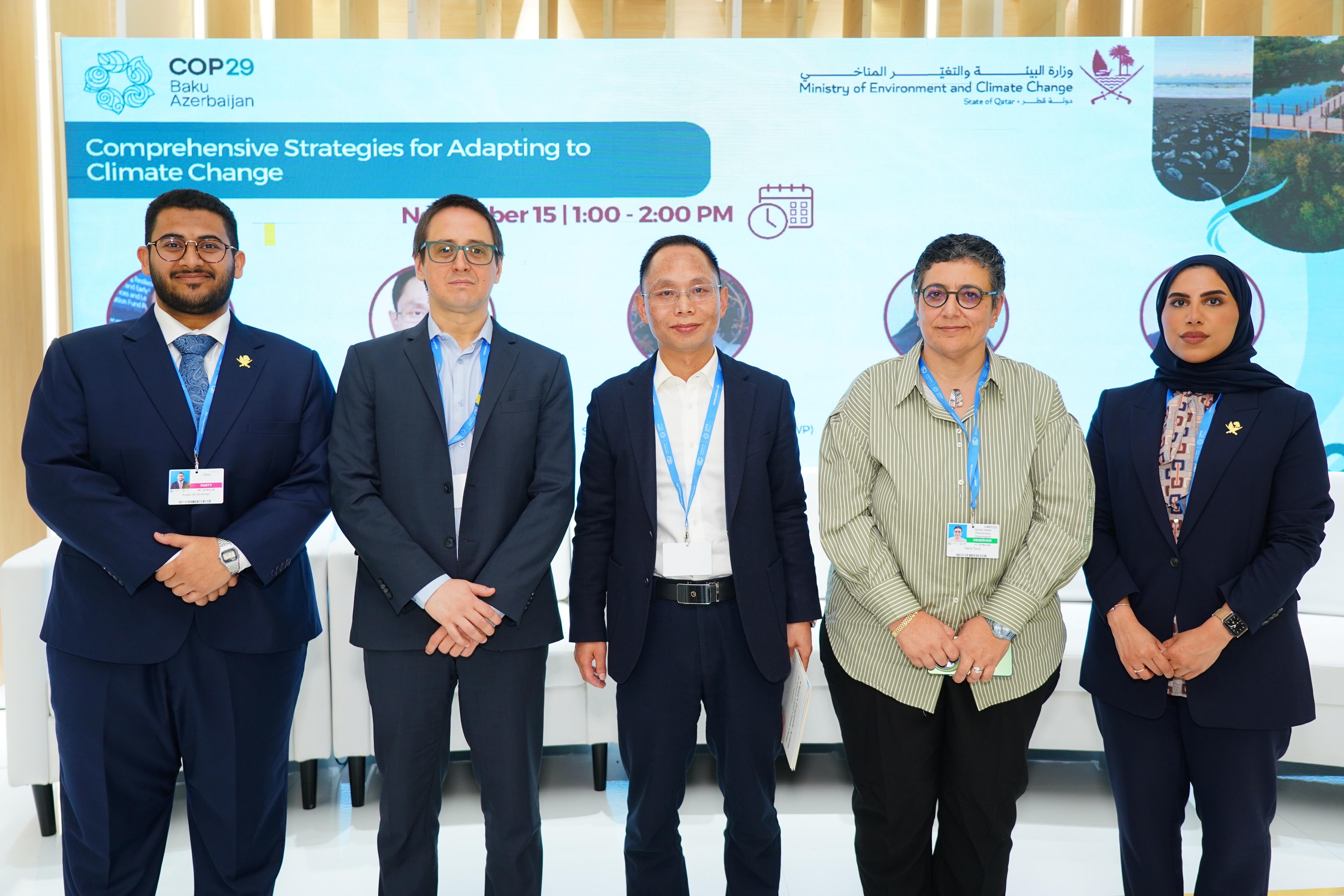
The seminar was attended by several distinguished speakers, including Mr. Lucas de Pietro, Chair of the Adaptation Fund Board; Dr. Bingjian Yang, Director of the Department of Environmental Sociology and Senior Scientist at the Chinese Academy of Environmental Management Research; Dr. Sarah Tzouve, Senior Expert in Water and Climate from Sweden; and Ms. Maryam Kafoud, Head of Renewable Energy Technologies at Qatar General Electricity and Water Corporation (Kahramaa).
Mr. Lucas de Pietro presented the key adaptation projects funded by the Adaptation Fund and shared lessons learned that could be applied to other regions facing similar climate challenges. He also outlined the Fund’s approach to financing adaptation projects to ensure impact, highlighting how this approach differs from others.
Dr. Bingjian Yang highlighted the innovative strategies developed by the Chinese Academy of Environmental Sciences to help China adapt to climate change, particularly in regions most vulnerable to extreme weather. He also discussed how the Academy collaborates with international research institutions to enhance adaptation efforts in China and share best practices globally.
Dr. Sarah Tzouve spoke about how the Global Water Partnership supports countries in integrating water resource management into their climate adaptation strategies, particularly in regions facing water scarcity. She also presented successful examples of integrated water management that have enhanced climate resilience in vulnerable communities.
Ms. Maryam Kafoud showcased Qatar’s efforts to strengthen climate resilience in the energy sector. She highlighted the key environmental benefits of Qatar’s national renewable energy strategy and how these objectives contribute to achieving environmental sustainability at the national level.